Augmented Reality Overlays Reshaping Accessibility Standards in Educational Web Platforms
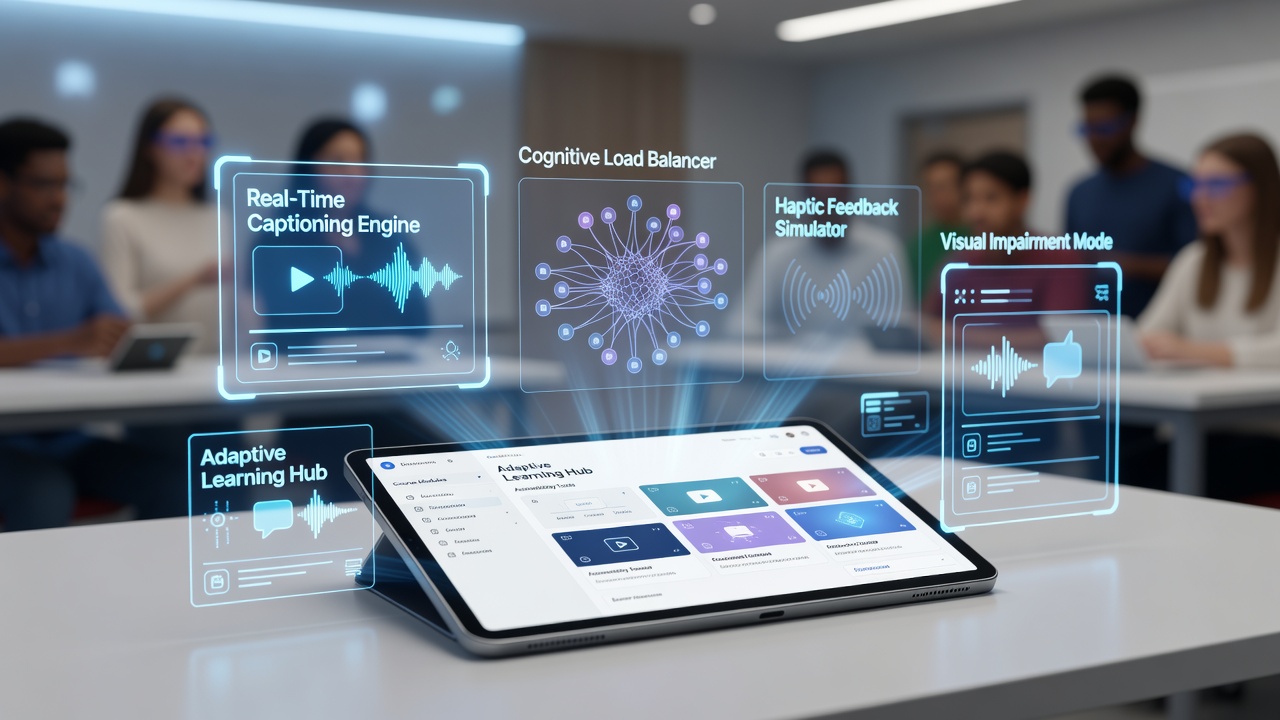
Augmented reality overlays now integrate directly into educational web platforms to deliver real-time visual and audio enhancements that support users with diverse needs, and these tools align with evolving accessibility frameworks across multiple regions. Data from platform deployments shows increased engagement among students requiring visual or auditory accommodations when AR elements highlight key text passages or convert diagrams into interactive 3D models without requiring separate software installations.
Core Mechanisms Driving AR Integration
Web-based AR relies on browser APIs that detect device cameras and sensors to layer digital content onto physical or on-screen materials, while developers embed these features through JavaScript libraries that comply with WebXR standards. Researchers at institutions tracking educational technology note that such overlays adjust contrast, enlarge elements, and provide spatial audio cues in response to user preferences stored in browser profiles, and this approach reduces reliance on external assistive devices.
Studies conducted through 2025 indicate that platforms incorporating AR achieve higher compliance rates with updated accessibility guidelines because overlays can dynamically adapt content based on detected user interactions. Observers note that educational sites using these methods report fewer support tickets related to content readability since AR handles adjustments automatically during live sessions.
Alignment With Global Accessibility Frameworks
Regulatory bodies have begun incorporating AR considerations into web accessibility directives, and the European Accessibility Act requires member states to ensure digital education tools meet enhanced criteria by mid-2026. In parallel, Canadian federal standards emphasize inclusive design that accommodates emerging technologies like AR for public sector learning platforms, creating consistent expectations for developers across borders.
Evidence from implementation reports shows that AR overlays help satisfy requirements for perceivable and operable content by offering multiple sensory pathways to the same information. Those who've analyzed compliance data find that platforms adopting these features demonstrate measurable improvements in meeting criteria for users with low vision or cognitive processing differences.
Practical Applications in Classroom Settings
Educational providers have deployed AR to annotate lecture slides with real-time sign language interpretations or to project molecular structures that students can rotate and examine from various angles. One documented rollout at a network of secondary schools revealed that students using these overlays completed science modules with greater accuracy on follow-up assessments compared to traditional text-only presentations.
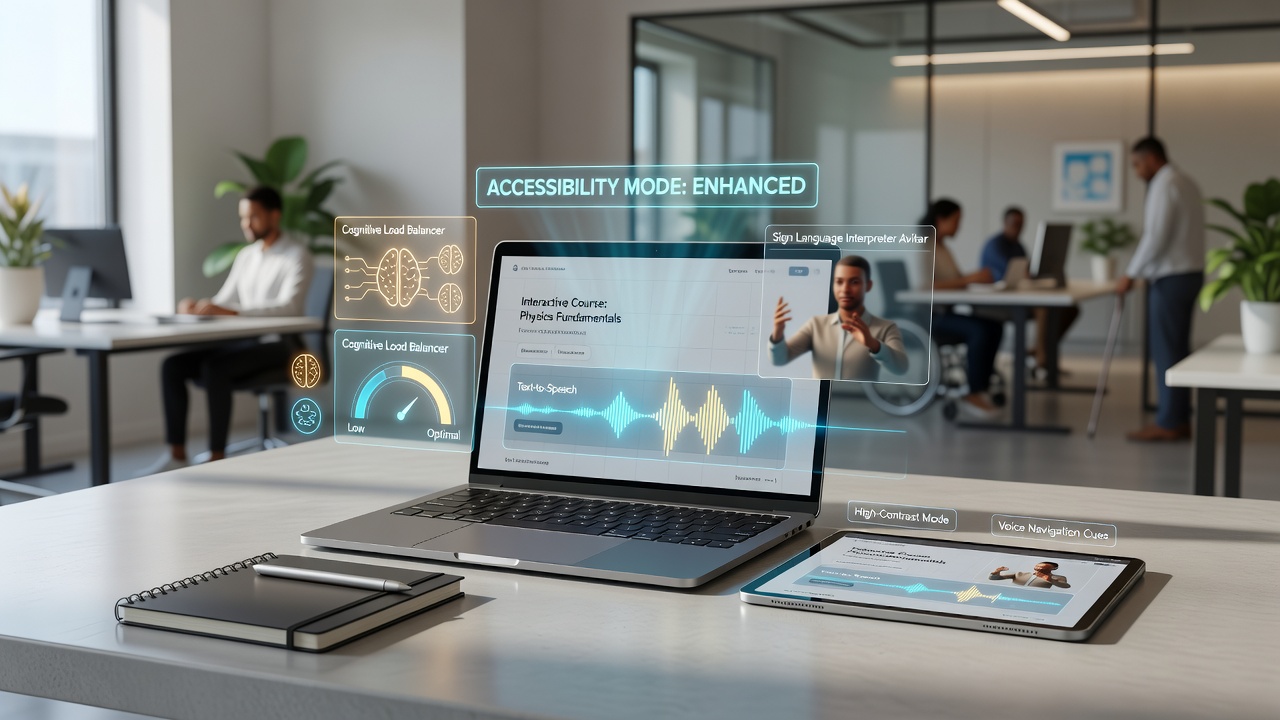
Universities testing AR-enhanced history platforms allow learners to view reconstructed artifacts overlaid on textbook pages, and data collected through July 2026 shows sustained usage among participants with mobility or sensory limitations. These implementations connect directly to existing learning management systems so that progress tracking remains centralized while AR handles the presentation layer.
Technical Standards and Browser Evolution
Browser vendors have expanded support for AR features through updates that enable precise spatial mapping and gesture recognition, and these advancements allow overlays to function consistently across desktop and mobile environments. Industry reports highlight that educational platforms leveraging these capabilities maintain performance levels suitable for large-scale deployments without additional hardware investments.
According to analyses from research consortia, AR overlays integrate with semantic HTML structures to preserve screen reader compatibility while adding visual layers, and this dual-path approach prevents conflicts between traditional assistive technologies and newer immersive elements. Developers follow established patterns that prioritize fallback content when AR detection fails on certain devices.
Developments Observed Through Mid-2026
By July 2026, several open-source projects had released AR accessibility toolkits tailored for learning management systems, enabling smaller institutions to implement overlays without extensive custom coding. Figures from adoption surveys reveal steady growth in usage among K-12 and higher education providers seeking to meet refreshed compliance benchmarks.
What's notable is how these toolkits incorporate user testing feedback loops that refine overlay behaviors based on aggregated interaction patterns while preserving individual privacy settings. Educational technologists continue to monitor how such refinements influence overall platform usability across varied network conditions.
Conclusion
Augmented reality overlays continue to influence accessibility standards in educational web platforms through technical integrations and regulatory alignments that prioritize inclusive design. Organizations tracking these developments document consistent patterns of improved content access when AR features operate within established browser environments and compliance frameworks. Future platform iterations will likely build on these foundations as more institutions adopt the approach for broader student populations.