How Adaptive Biometric Authentication Is Redefining User Verification Across Distributed Mobile Ecosystems
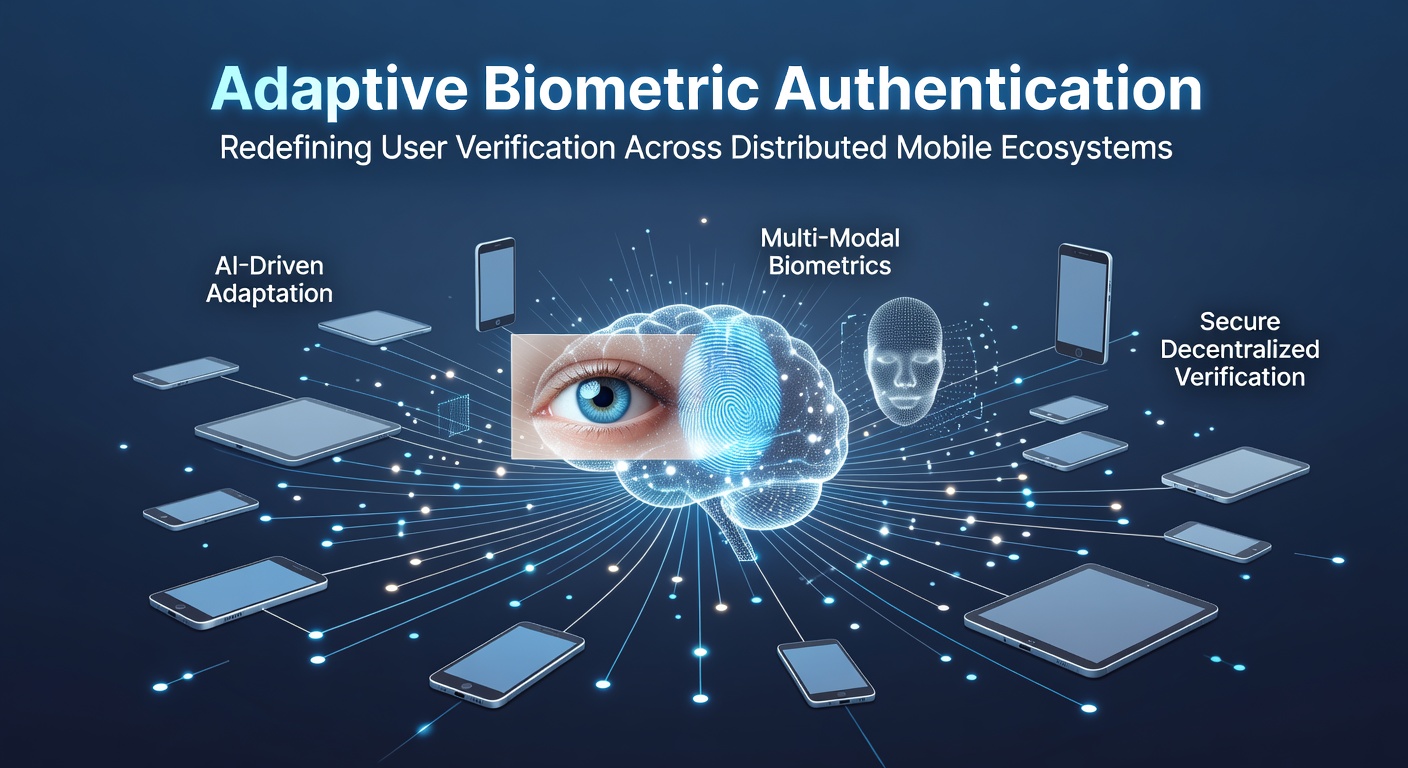
Adaptive biometric authentication adjusts verification methods based on context such as device location, user behavior patterns and network conditions while operating across multiple mobile platforms and cloud services. Systems evaluate risk scores in real time and select appropriate authentication factors without requiring constant user intervention. Research from standards organizations shows these approaches reduce false rejections while maintaining security levels in environments where devices connect through edge computing nodes and centralized servers.
Core Mechanisms Behind Adaptive Systems
Engineers design adaptive frameworks to combine physiological traits like fingerprints or facial scans with behavioral signals including typing rhythms and gait patterns detected by device sensors. Algorithms update user profiles continuously so that authentication strength increases during high-risk activities such as financial transactions or access from unfamiliar regions. Data indicates that integration with distributed ledgers allows verification records to synchronize across devices without exposing raw biometric templates to any single point of failure.
Context awareness forms a central component because the system monitors factors like time of day, battery level and application type before deciding on the verification method. When conditions suggest low risk the process might rely on passive checks alone whereas elevated threats trigger active prompts for additional traits. Observers note that this layered strategy aligns with guidelines published by the National Institute of Standards and Technology which outline risk-based models for mobile identity management.
Deployment Patterns in Mobile Ecosystems
Distributed mobile environments span smartphones, tablets, wearables and vehicle infotainment units that share authentication state through secure channels. Developers implement these solutions using application programming interfaces that pull contextual data from both on-device processors and remote analytics engines. Figures from industry reports reveal adoption rates climbing steadily as carriers and operating system vendors embed support for continuous verification protocols.
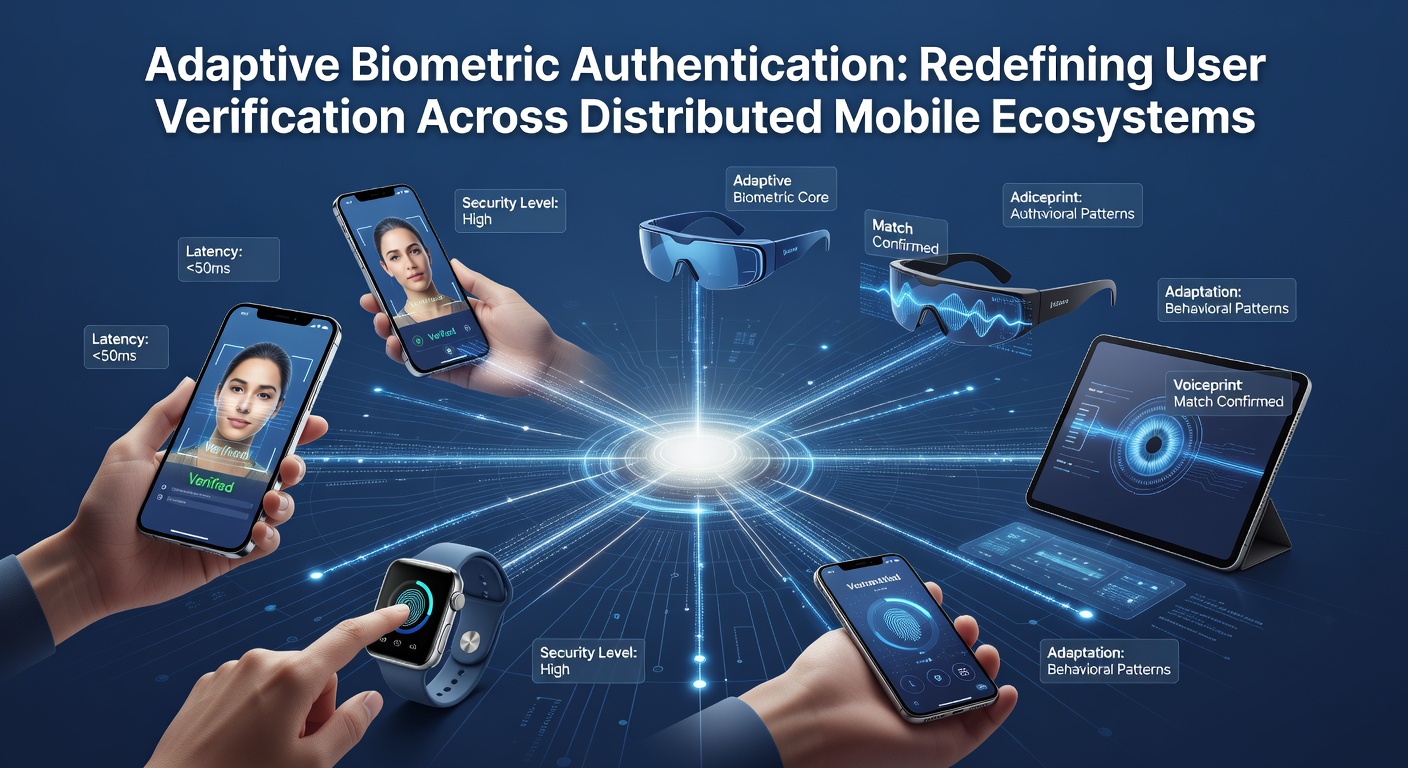
By May 2026 several large-scale pilots had expanded to include cross-border roaming scenarios where authentication persists as users move between cellular networks in different countries. Partnerships between device manufacturers and service providers enable seamless handoffs that preserve session integrity while refreshing risk assessments at each network hop. Those who have examined the implementations report that latency remains under acceptable thresholds even when multiple verification factors activate simultaneously.
Security and Privacy Considerations
Template protection techniques such as homomorphic encryption and cancelable biometrics prevent reconstruction of original data if storage locations become compromised. Regulatory frameworks in the European Union and Canada emphasize user consent mechanisms that allow individuals to review and revoke stored behavioral profiles. Evidence from academic studies at institutions like the University of Melbourne demonstrates that adaptive systems can achieve comparable accuracy to static methods while exposing less persistent data to potential interception.
Threat models have evolved to include sophisticated presentation attacks and machine learning based spoofing attempts yet adaptive platforms counter these by incorporating liveness detection that adjusts dynamically. When anomalies appear the system escalates verification requirements automatically and logs events for later audit without transmitting full biometric samples over public channels. What's significant is the way these safeguards integrate with broader zero-trust architectures adopted by mobile network operators.
Performance Metrics and Real-World Outcomes
Organizations track metrics such as equal error rates, transaction completion times and user abandonment percentages to evaluate effectiveness. Deployments in financial services show measurable drops in account takeover incidents after rollout of context-aware checks. Researchers have documented cases where adaptive authentication maintained continuity during device switches in enterprise settings that involve thousands of concurrent sessions.
Energy consumption on mobile hardware remains a focus area because continuous sensor monitoring can drain batteries faster than traditional one-time logins. Optimizations that offload heavy computation to nearby edge servers help mitigate this impact while preserving response speed. Data collected across multiple carrier networks indicates that overall system overhead stays within practical limits for everyday usage patterns.
Future Integration Paths
Emerging standards aim to unify authentication signaling across heterogeneous device fleets so that verification decisions remain consistent regardless of hardware vendor. Collaboration between standards bodies and academic groups continues to refine algorithms that handle diverse populations and environmental variables. Observers point to ongoing work on multimodal fusion methods that blend additional signals like heart rate variability from wearables into existing risk calculations.
Conclusion
Adaptive biometric authentication continues to reshape verification processes by embedding intelligence into every stage of user interaction across distributed mobile ecosystems. Technical foundations established through coordinated efforts of regulators, researchers and industry players support scalable implementations that balance security demands with operational efficiency. As ecosystems grow more interconnected the capacity to adjust verification dynamically becomes a defining characteristic of reliable identity systems.