Navigating Data Sovereignty in Global Cloud Networks: Regulatory Impacts on International Web Service Providers
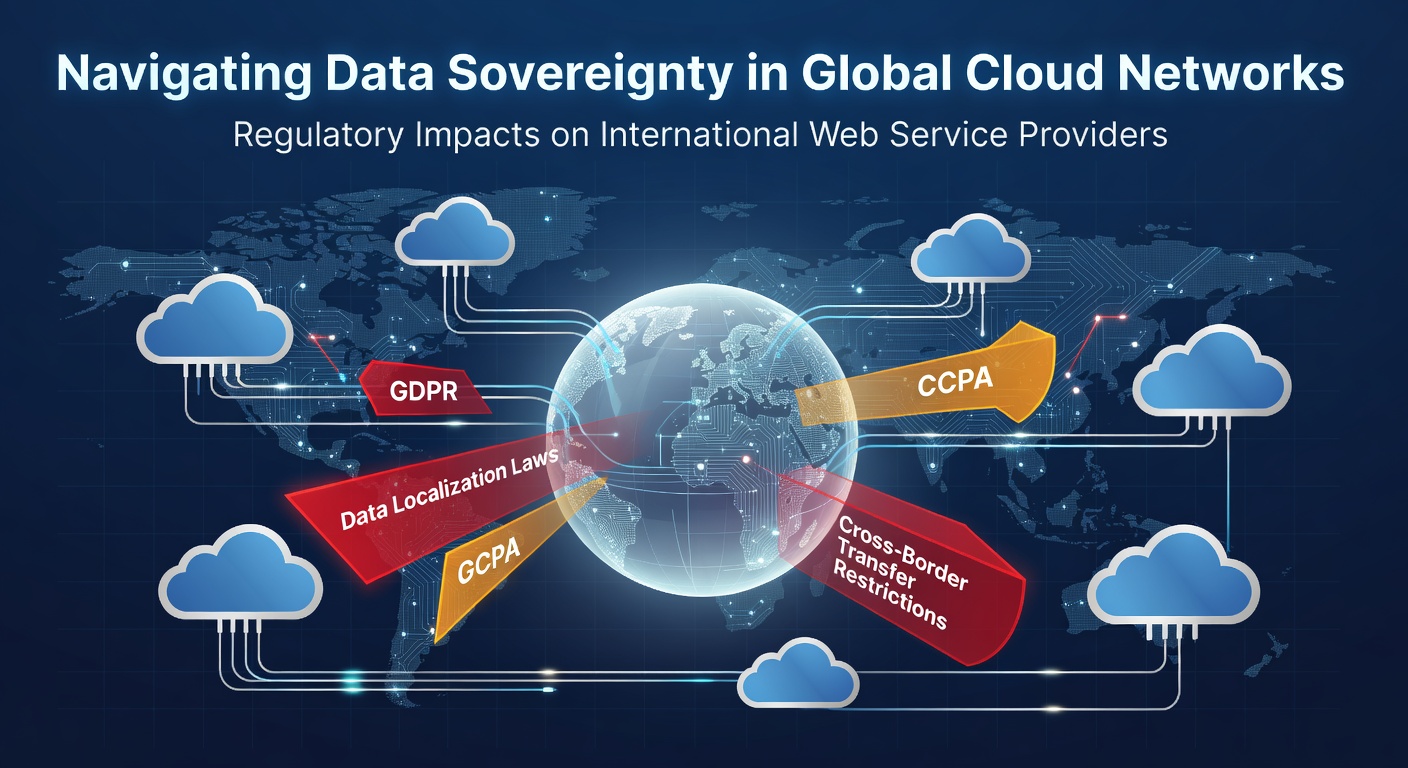
Global cloud networks now face mounting pressure from data sovereignty rules that require certain information to stay within national borders, and providers must adapt quickly to avoid service disruptions. International web service companies operate across dozens of jurisdictions where laws dictate how customer data gets stored, processed, and transferred, which creates a complex compliance landscape that evolves each year. In May 2026 regulators in several regions updated guidelines on cross-border data flows, forcing providers to reassess their infrastructure strategies while maintaining performance for users worldwide.
Core Principles of Data Sovereignty
Data sovereignty centers on the idea that information collected within a country remains subject to that nation's laws regardless of where the hosting servers sit, and this principle drives many recent policy shifts. Providers such as major hyperscale operators have responded by building regional facilities that keep sensitive datasets physically closer to their origins, yet they still need seamless connectivity for global applications. Researchers at various academic institutions have documented how these localization requirements increase operational costs, while also highlighting new opportunities for providers who offer compliant architectures from the start.
Major Regulatory Frameworks Shaping Compliance
The European Union's General Data Protection Regulation continues to set a high standard for data handling, and its requirements for explicit consent plus restrictions on transfers outside approved regions affect every international provider serving EU customers. Meanwhile Canada's Personal Information Protection and Electronic Documents Act and Australia's Privacy Act impose their own localization expectations that differ in scope but share the same goal of protecting resident data. Observers note that these overlapping rules often conflict, which pushes companies toward unified platforms capable of meeting multiple standards simultaneously.
What's interesting is how enforcement actions have accelerated since late 2025, with fines levied against firms that failed to demonstrate adequate safeguards during data transfers. A recent report from the European Data Protection Board details several cases where providers adjusted their default storage locations to avoid penalties, and similar patterns appear in guidance issued by Singapore's Personal Data Protection Commission. These developments show that regulators now expect real-time audit capabilities rather than periodic self-assessments.
Operational Impacts on Web Service Providers
International providers encounter direct consequences when sovereignty rules change, including the need to segment workloads so that certain processing occurs only inside approved territories. This segmentation often requires additional encryption layers and access controls that slow down query response times unless providers invest in optimized networking gear. Data indicates that latency can increase by up to 30 percent in some multi-region setups, yet many companies absorb these costs because losing access to major markets would hurt revenue far more.
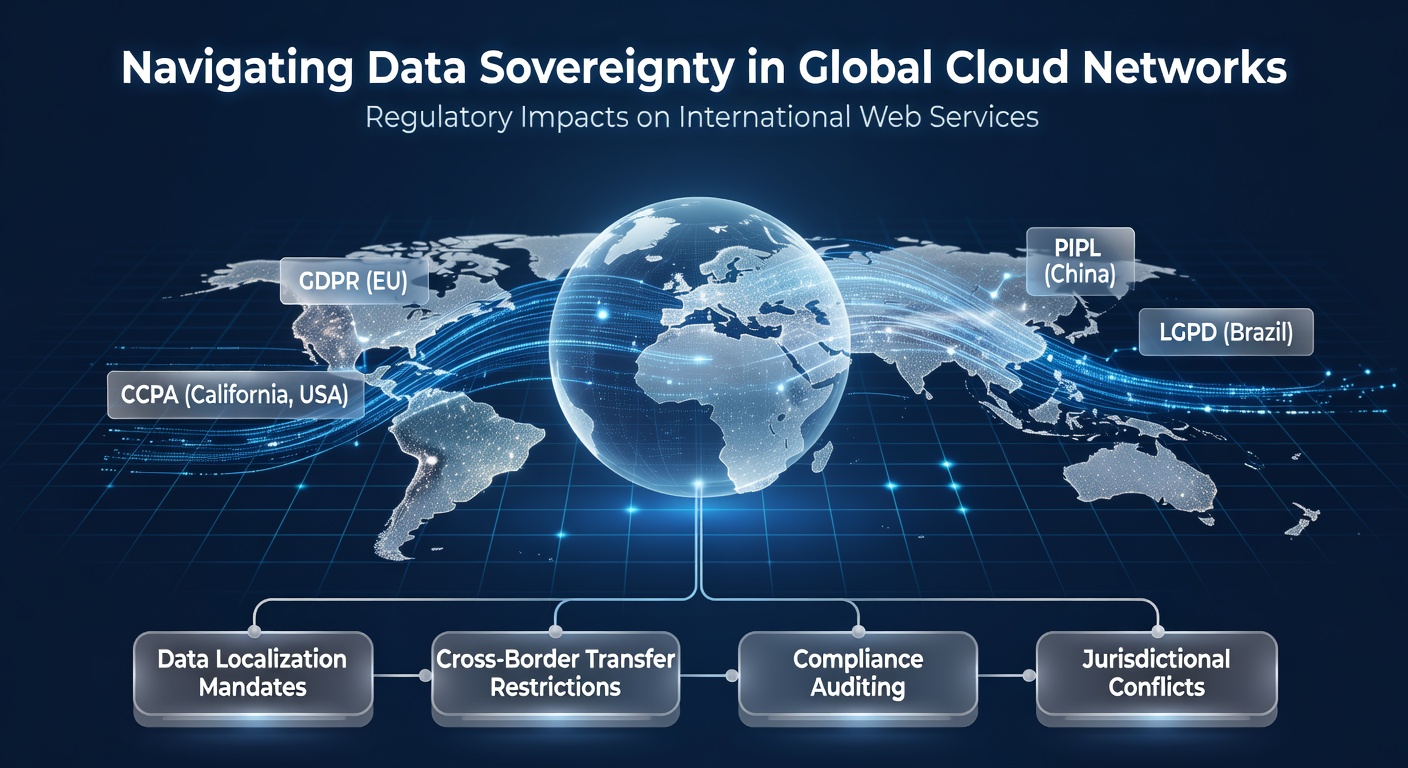
Take one large provider that expanded its footprint in Southeast Asia after new Indonesian rules took effect in early 2026, and the move allowed continued service without rerouting traffic through distant hubs. Similar stories emerge from companies operating in Brazil following updates to the Lei Geral de Proteção de Dados, where local partnerships helped satisfy residency demands while preserving global redundancy. Those who've studied these transitions know that success depends on flexible orchestration tools that can tag and route datasets automatically based on origin and sensitivity.
Strategies Providers Use to Meet Requirements
Many firms now deploy sovereign cloud offerings that combine local infrastructure with centralized management, and this hybrid model lets them meet residency mandates without fragmenting their entire platform. Encryption technologies that allow computation on encrypted data further reduce exposure during cross-border operations, while zero-trust architectures limit who can access information regardless of physical location. According to guidance from the Office of the Australian Information Commissioner, providers should maintain detailed records of data movements and conduct regular impact assessments to demonstrate ongoing compliance.
But here's the thing: technical solutions alone rarely suffice because legal interpretations vary by jurisdiction, which means providers also maintain teams of regional legal experts who track upcoming changes. In May 2026 several governments announced joint working groups aimed at harmonizing transfer mechanisms, and early participants report that shared certification programs could ease some burdens. Research from university consortia shows that organizations investing early in these collaborative efforts experience fewer disruptions when new rules appear.
Looking Ahead to Continued Evolution
Future regulations will likely emphasize transparency around government access requests and require providers to disclose exactly which jurisdictions can reach stored data. Providers who already maintain granular logging and automated policy engines stand better positioned for these shifts, whereas those relying on manual processes face higher risks of non-compliance. Figures from industry analyses reveal steady growth in demand for sovereign cloud services, particularly among sectors handling health or financial records that attract stricter oversight.
Conclusion
International web service providers continue to refine their approaches to data sovereignty as regulations multiply across regions, and success hinges on combining technical flexibility with proactive legal monitoring. The developments emerging in May 2026 underscore how quickly requirements can shift, yet they also demonstrate that adaptable infrastructure and clear documentation help organizations stay ahead. Those monitoring these trends expect further refinements in cross-border frameworks over the next several years, which will shape how global networks operate for decades to come.